Architecture Overview
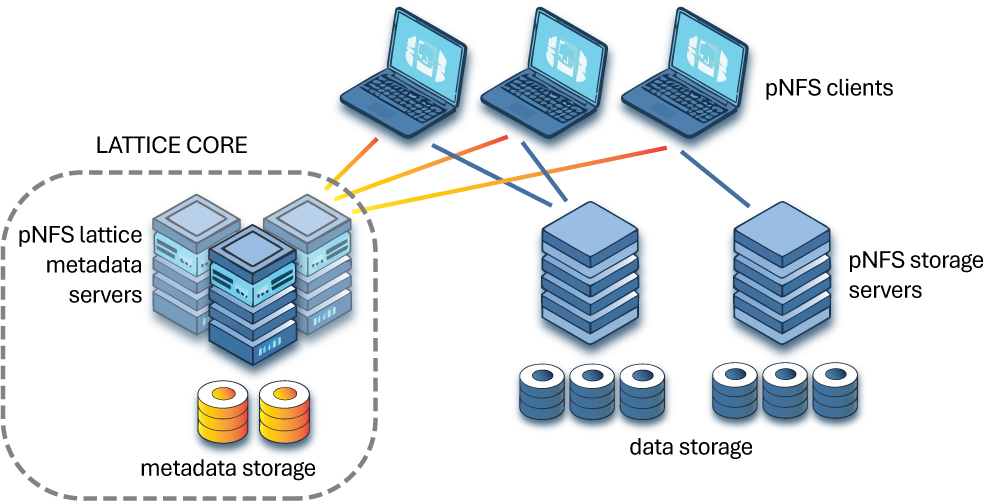
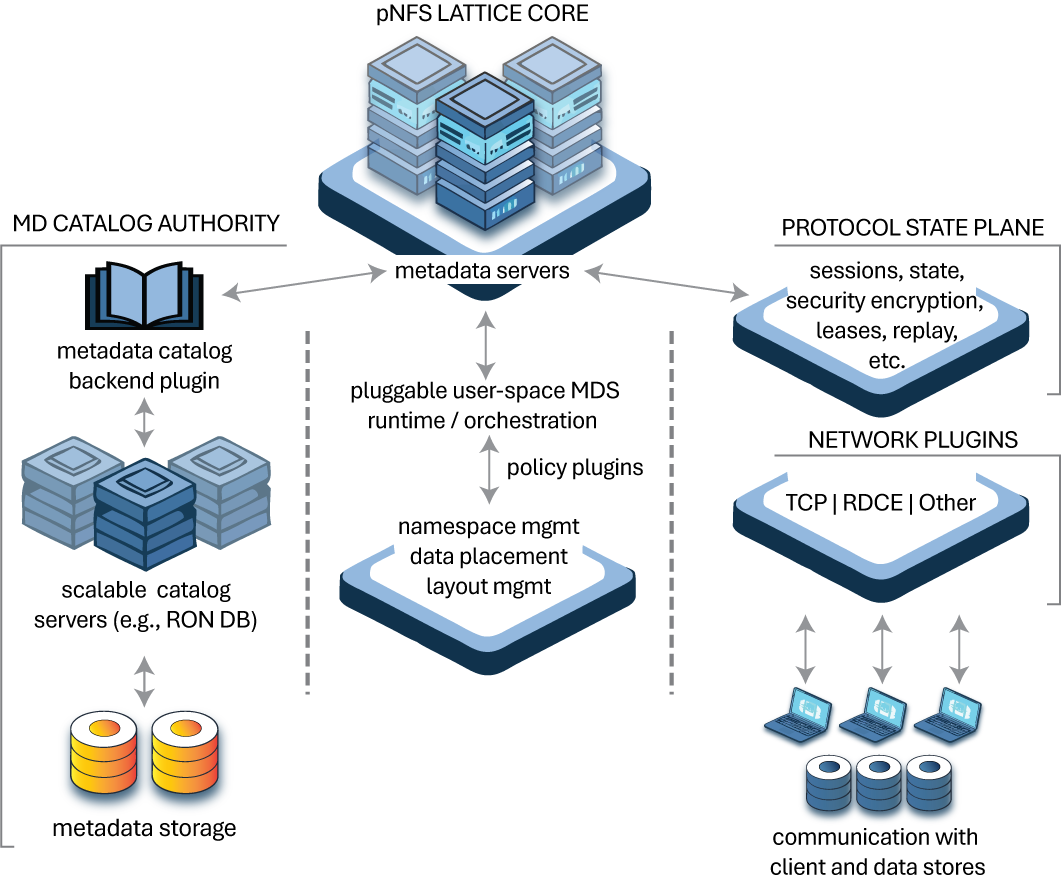
The Lattice architecture is separated into four major concerns:
- Protocol State Plane. The shared semantic authority for client, session, replay, lease, stateid, layout, fencing, and failover state.
- Lattice Core. The pluggable user-space MDS runtime that executes namespace, layout, placement, and cluster-aware metadata workflows.
- MD Catalog Authority. The authoritative, versioned metadata truth for namespace, identity, attributes, placement, reverse indexes, and workflow state.
- Data Server Control Plane. The DS-facing orchestration layer for the storage backbone, using direct MDS-to-DS RPC for registry, health, provisioning, placement coordination, and future persistent data services.
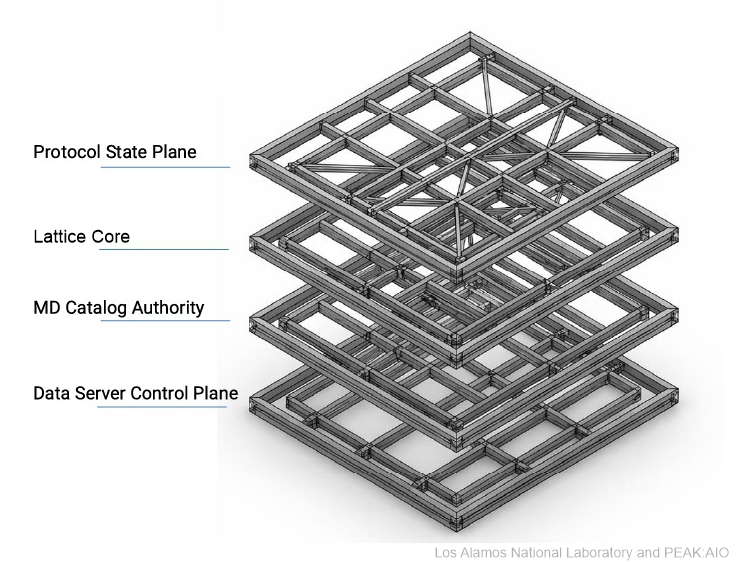
Protocol State Plane
- Role: The shared semantic authority for client, session, replay, lease state_id, and layout state.
- The Shift: Moves beyond isolated, per-node memory to enable safe, elastic failover and takeover
- The Goal: State is no longer permanently tied to a single daemon process.
- Current: RonDB scaled-out KVS.
Lattice CORE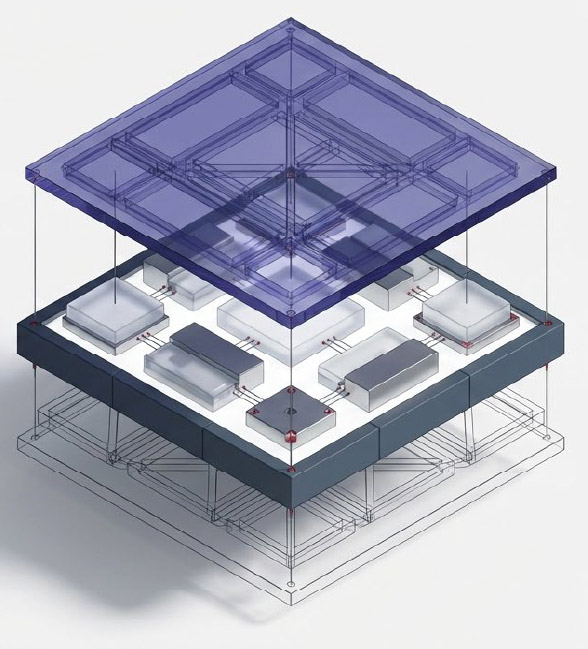
- Role: The pluggable user-space MDS runtime.
- Execution: Orchestrates namespace operations, layout decisions, placement logic, and cluster-aware workflows.
- Modularity: In Phase 1 this runs the NFSv4.2 / pNFS personality. In the future, it will act as a foundation for new distributed storage implementations.
- Current: Tested with 8 x MDS shards, designed for 64 x MDS plus
MD Catalog Authority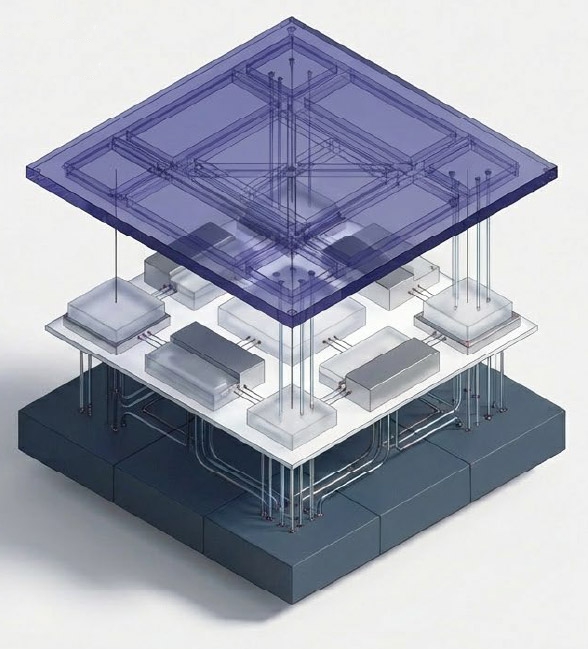
- Role: The authoritative, versioned truth for namespace, identity, attribute, placement and workflow state.
- The Shift: The MDS Authority is no longer trapped in a single daemon's memory. It is a shared, distributed KVS substrate.
- Phase 1 - Current: Implemented using RonDB to provide a genuine shared metadata authority for multi-MDS cluster development.
Data Server Control Plane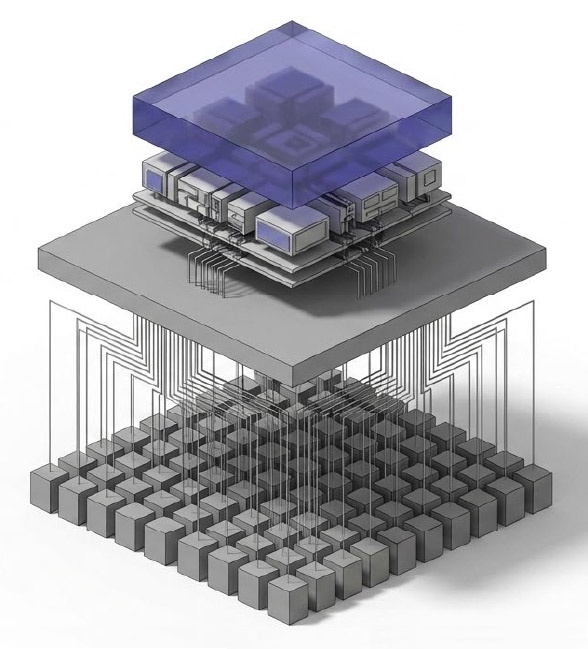
- Role: Direct MDS-to-RPC for registry, health, and provisioning.
- The Shift: Keeps DS-side control in the metadata plane with finer grained RPC as opposed to client-based mounts on the MDS.
- The Benefit: Maintains loose coupling to unpatched knfsd DS targets, cleanly separating metadata authority from data-server execution.
The Lattice Solution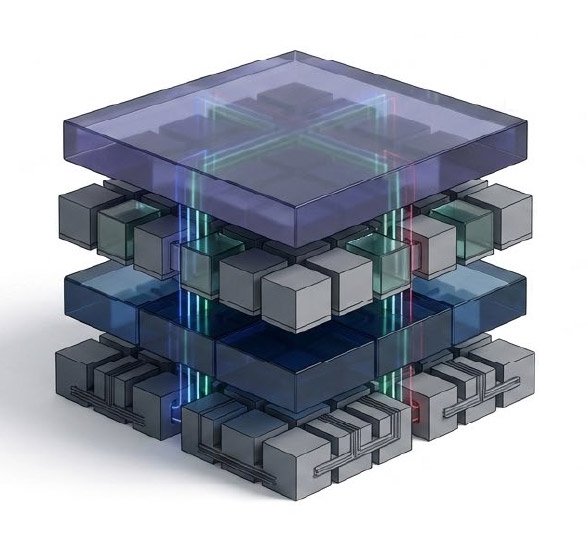
Separation of concerns, unified at scale
- The Monolith Problem: Legacy systems fused state, execution, and authority
- The Lattice Solution: Cleanly separating these four planes allows Lattice to achieve what earlier systems could not: true horizontal scaling for metadata where static and ephemeral MDS instances can safely join and leave the cluster.